



Carpet Cleaning in Richmond
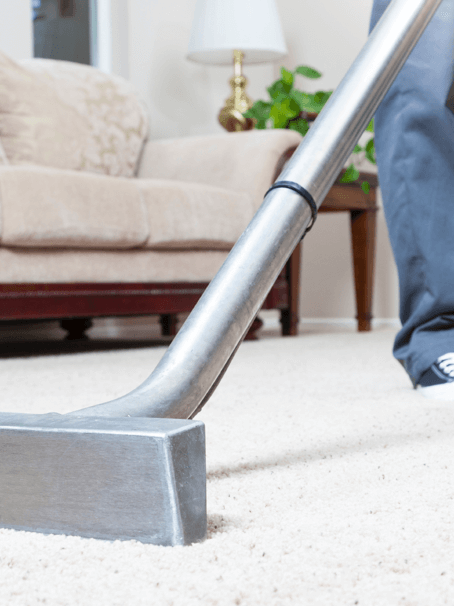
Carpets are one of the decor features that every homeowner knows is the key to pulling a room together and making it look marvelous. Getting a one-of-a-kind carpet showcases your unique sense of style to anyone visiting your home. Whether it’s a loop pile carpet or a cut pile carpet, you can get different designs that will leave your home looking exotic. However, with every good thing comes a responsibility along with it. To enjoy the benefits that carpets offer, it’s important that they stay clean. Cleaning your carpets regularly, either by steam cleaning or vacuuming, can help reduce the buildup of allergens in your home as well as prolong the life of your carpet.
Unclean carpets, on the other hand, might lead to various problems such as unpleasant odors, dust and allergen buildup, unsightly stains, and many more. To avoid these problems, you should get frequent carpet cleaning in Richmond. Our cleaning crew service uses various techniques to do the cleaning such as carpet shampooing, steam cleaning, upholstery cleaning, bonnet cleaning, dry powder method, and the external eradication method. While doing the cleaning yourself might seem like an easy chore to undertake, you might not have the necessary tools to get the best results. That’s why it’s advised that you leave it to our experts.
Carpet Professionals in Richmond
Richmond carpet cleaning costs are determined by many factors that contribute to the decrease and increase of the cost. Homes with many rooms will pay more for the carpet cleaning services as it means there’s more area to cover compared to a house with fewer rooms. The type of carpet that needs cleaning contributes to the costs as different carpets present different challenges due to their texture, weight, density, twist, PAR rating, etc. The more enhanced these features are in your carpet, the more you will have to pay for the carpet cleaning service. Sometimes, the color of the carpet also determines the pricing of the services. Homes with black carpets will cost less to clean compared to houses with white carpets, especially if the carpet needs stain removing services. This is because of the challenges that the different colors offer. Getting a white-colored carpet back to its original color is usually tougher compared to other colors. Along with stain removing, you may need water extraction if you’ve recently experienced a leak in your home.
The carpet might also need to get removed and taken to our carpet cleaning contractors in Richmond. The transportation to their workshop slightly increases the costs. If the cleaning was to get done on-site, it would be much cheaper. Typically, it will cost you $25 to $75 per room to get a carpet cleaning service.
Our Licenses and Certifications
- Service License: VA_92823220712
- Bonding Number: VA_92823220712
Complete Carpet Cleaning is bonded, insured, and a member of the Carpet Cleaning Association, as well a the National Interior Cleaning Association. Our professionals are certified and trained by the NACP, ACP, CPA, and CPAA.
We pride ourselves in offering the highest quality of workmanship with equally competitive rates for homeowners. You’ll get the best cleaners in the area with professional habits and friendly smiles. Everyone on staff is licensed, bonded, and insured.
Why Choose Us for Your Carpet Cleaning?
Our Proven Process
Our methods are simple: top cleaning service for affordable prices.
Discover Our ProcessOur Track Record
Our success depends greatly on return customers who love the service.
Discover Our SuccessOur Trained and Certified Staff
Our best professionals know all the ins and outs of carpet and upholstery cleaning.
Discover Our ServiceServices We Offer
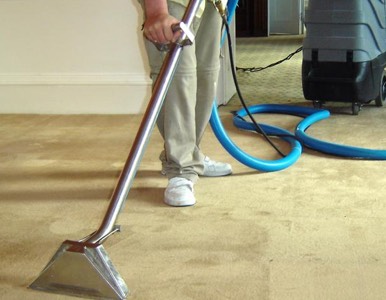
Carpet Cleaning
Have your carpets looking spotless and good as new. All it takes is a day of shampooing and a few hours drying and then voilà, new carpets!
Get A Quote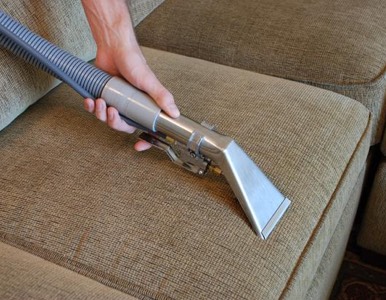
Upholstery Cleaning
Have every piece of furniture in your home looking great and feeling comfortable. Our professional staff can take special care of your upholstery.
Get A Quote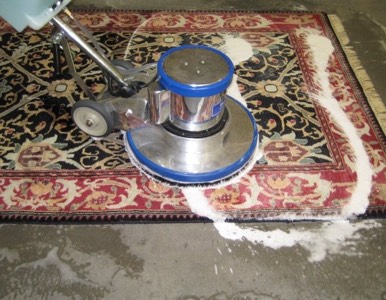
Rug Cleaning
With high tech vacuums and cleaning equipment, any rug can be cleaned with ease! To get your custom or Oriental rug shampooed, simply give us a call.
Get A QuoteCarpet Cleaning FAQ in Richmond
When the Richmond carpet cleaning contractors do the cleanup, do they move the furniture themselves?
If it’s an on-site job, our Richmond carpet cleaning contractors will move the furniture themselves either outside the house or even just around the house so as to make their work much easier when doing the cleanup. Once they’re done, they will move the furniture back to their original position.
Will carpet cleaning in Richmond remove the stubborn stains from my carpet?
Yes, this is one of the purposes of getting professional carpet cleaning in Richmond. Our carpet cleaning experts are well-equipped with certified tools and products that will remove some of the most stubborn stains from your carpet. Whether it’s a wine stain, coffee stain, paint stain, or any other type of stain, you can count on them to deliver.
Do carpet cleaning contractors in Richmond offer other additional services?
Some of the additional services that our carpet cleaning contractors in Richmond might provide include furniture cleaning, upholstery cleaning, mattress cleanups, and general house cleaning services. These are usually additional requests that you can make which will affect your total cost.
Reviews